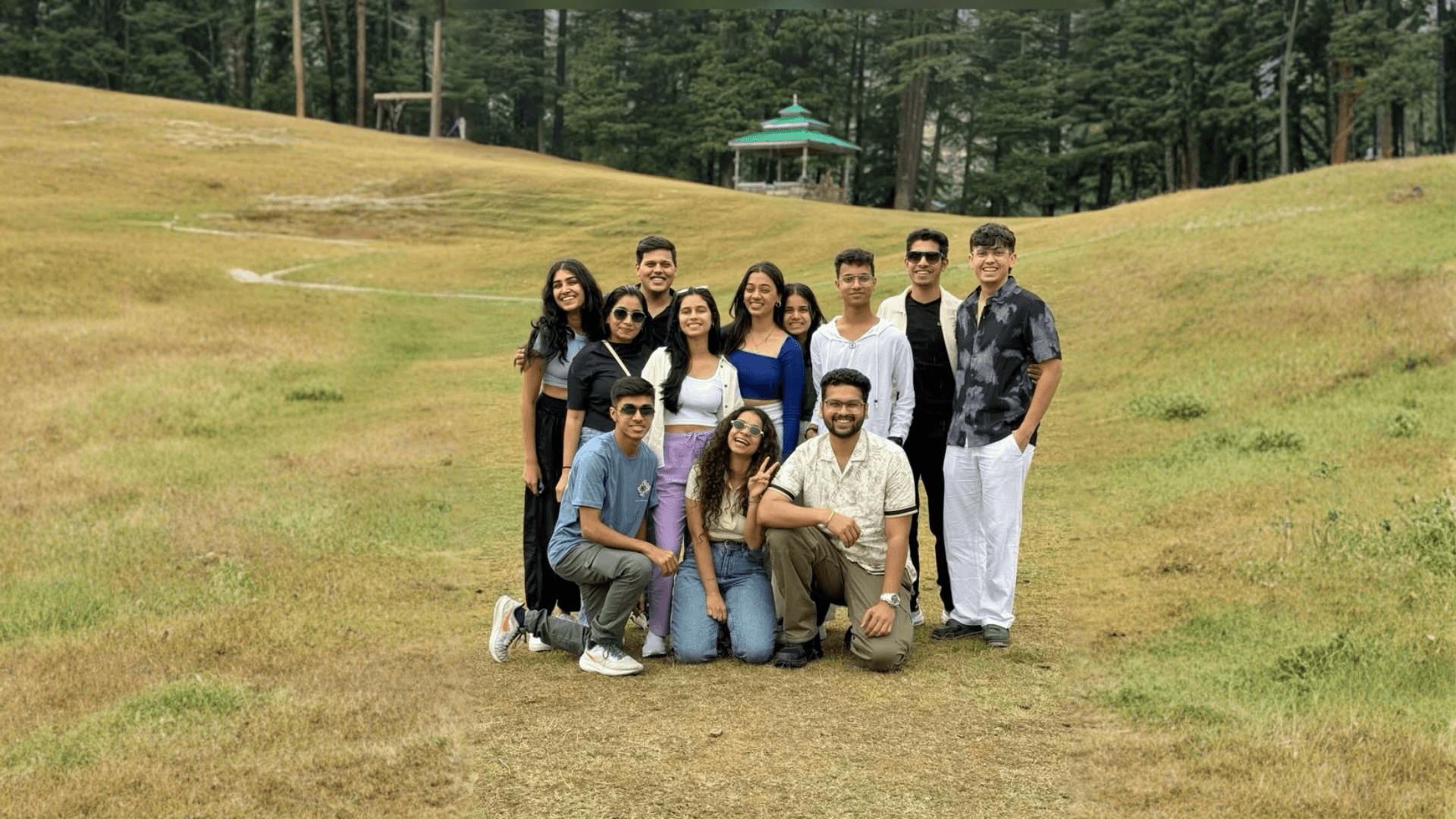




Day 01
Arrive in Jibhi · Village Walk · Riverside Bonfire
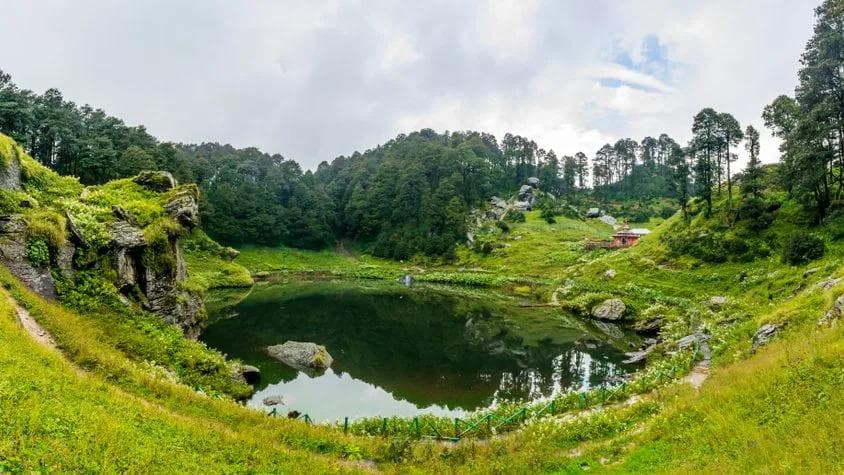
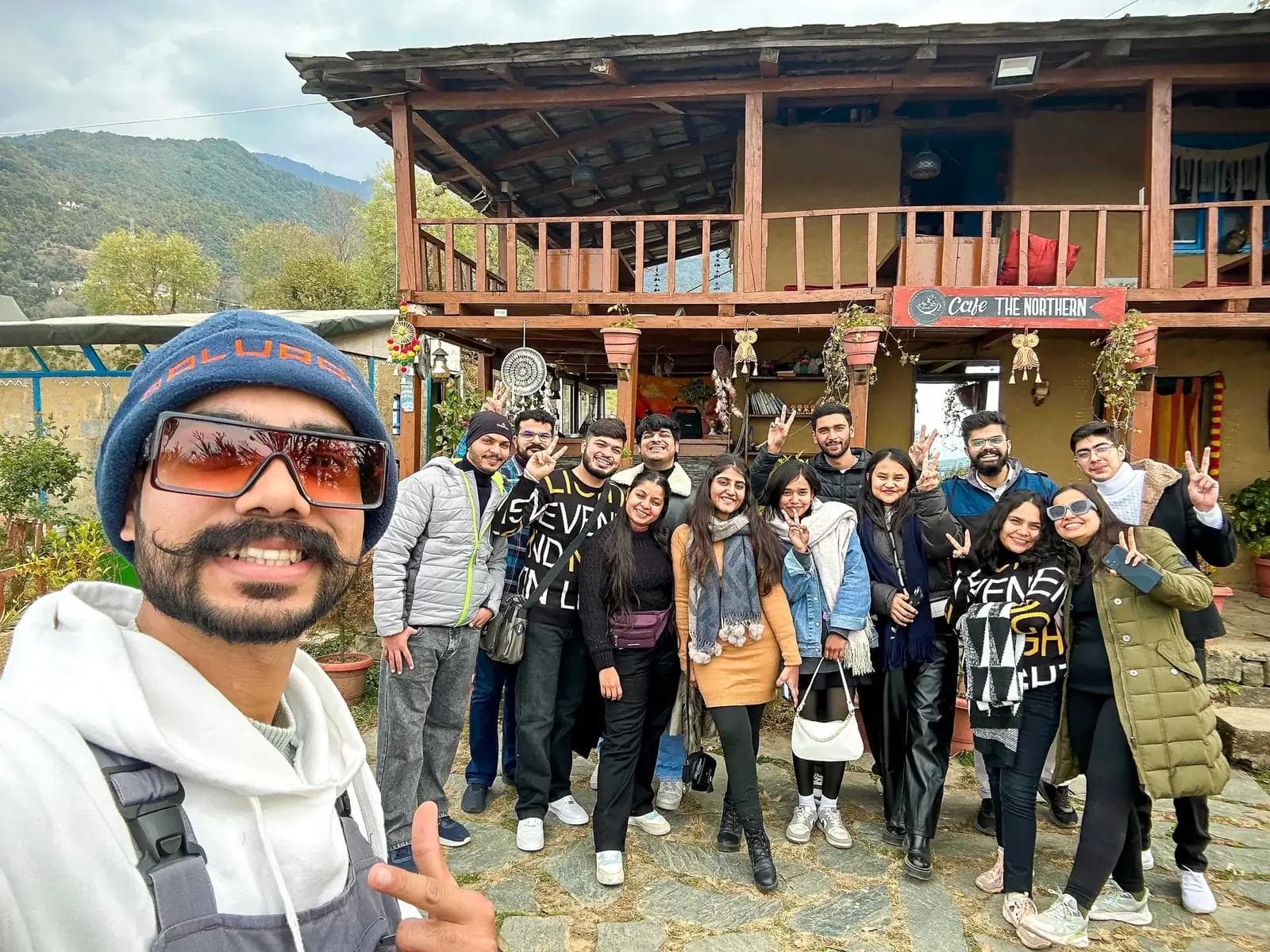
Arrive and check into your traditional Himachali wooden homestay in Jibhi village. Afternoon walk through the village — carved walnut-wood doorways, a centuries-old Shringi Rishi temple, old water mills still grinding wheat on the stream. Find the best chai spot (there's a tea stall next to the temple — don't skip it). Evening bonfire by the Jibhi stream with ice-breaking activities and introductions. Dinner at the homestay: home-cooked Himachali dal, sabzi, roti.
Village walk and Shringi Rishi templeChai at the stream-side tea stallRiverside bonfire and ice-breaking